Why Imaginative Play Matters for Child Development
In a world filled with screens, structured activities, and busy schedules, children often have fewer opportunities to simply pretend. Yet imaginative play is one of the most powerful ways children develop confidence, creativity, and social skills.
Whether children are running a pretend ice cream shop, caring for animals at a vet clinic, grocery shopping with friends, or saving the day as firefighters, they are doing more than playing — they are learning how the world works.
Imaginative play allows children to explore real-life situations in a safe, engaging, and joyful way.
What is imaginative play?
Imaginative play (also known as pretend play or role play) happens when children create stories, act out real-life situations, and experiment with different roles.
Common examples of imaginative play include:
• Pretend grocery shopping
• Running an ice cream stand
• Playing veterinarian with stuffed animals
• Acting as firefighters or community helpers
• Creating stories with friends
These play-based learning activities help children make sense of everyday experiences.
For young children especially, pretend play is one of the most effective ways to build independence, communication skills, and creativity.
Benefits of imaginative play for children
Builds confidence
When children take on roles such as shop owner, doctor, or firefighter, they practice decision-making and communication in a low-pressure environment. These small moments help build independence and confidence over time.
Encourages social development
Role play activities encourage children to collaborate, share ideas, and interact with others. They learn important social skills such as:
• taking turns
• problem solving
• cooperating
• expressing ideas clearly
These skills support both school readiness and long-term emotional development.
Supports language development
Pretend play naturally introduces new vocabulary words and communication styles. Children experiment with conversations, storytelling, and expressing thoughts in creative ways.
Play-based learning environments are especially helpful for encouraging children to speak more confidently.
Develops emotional understanding
Through role play, children explore feelings and relationships. Acting out everyday scenarios helps them better understand empathy, kindness, and cooperation.
This is one reason many educators encourage imaginative play activities for toddlers and young children.
Inspires creativity
Open-ended play allows children to use their imagination freely. One day they may run a grocery store, the next day they may create an entirely new story.
Creative play helps children develop curiosity, flexibility, and problem-solving skills.
Why parents are choosing more screen-free activities
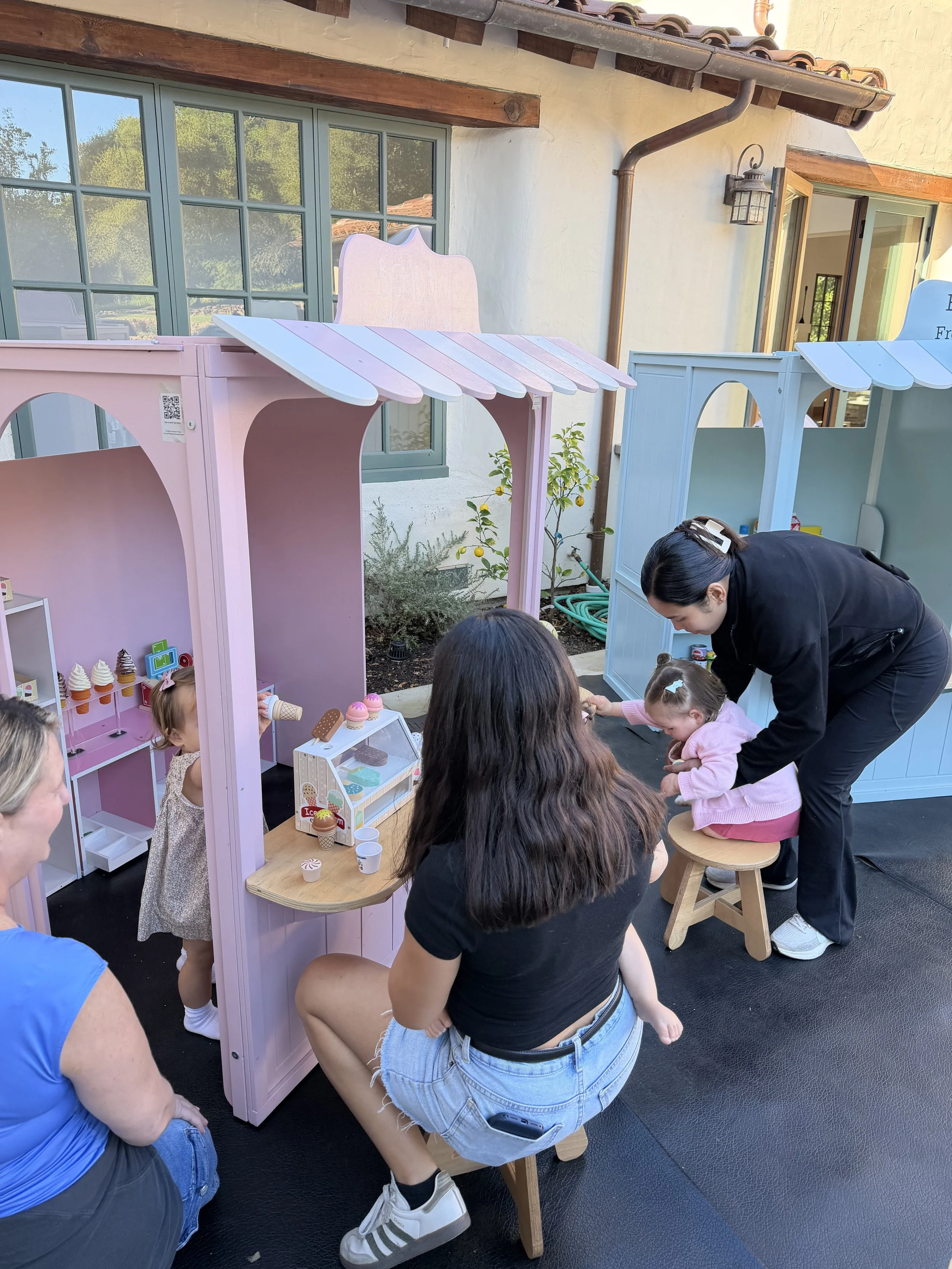
Children interacting with adults during pretend play at an ice cream shop
Many parents today are intentionally looking for screen-free activities for kids that encourage creativity and independent thinking.
Imaginative play offers a meaningful alternative to passive entertainment by allowing children to actively participate in their own stories.
It creates opportunities for:
• deeper focus
• collaboration with other children
• confidence building
• memorable experiences
Play environments that encourage creativity often keep children engaged longer and more meaningfully.
Imaginative play ideas for birthdays and events
Parents planning birthday parties are increasingly looking for unique kids party activities that feel both fun and enriching.
Imaginative play environments allow children to move freely between activities, interact with friends, and explore at their own pace.
Mini town play experiences are especially popular for children ages 2–8 because they allow kids to step into familiar real-life roles in a playful way.
Popular imaginative play themes include:
• pretend grocery store
• ice cream shop role play
• vet clinic play
• fire station pretend play
• community helper activities
These environments encourage both independent play and social interaction.
Bringing imaginative play to life
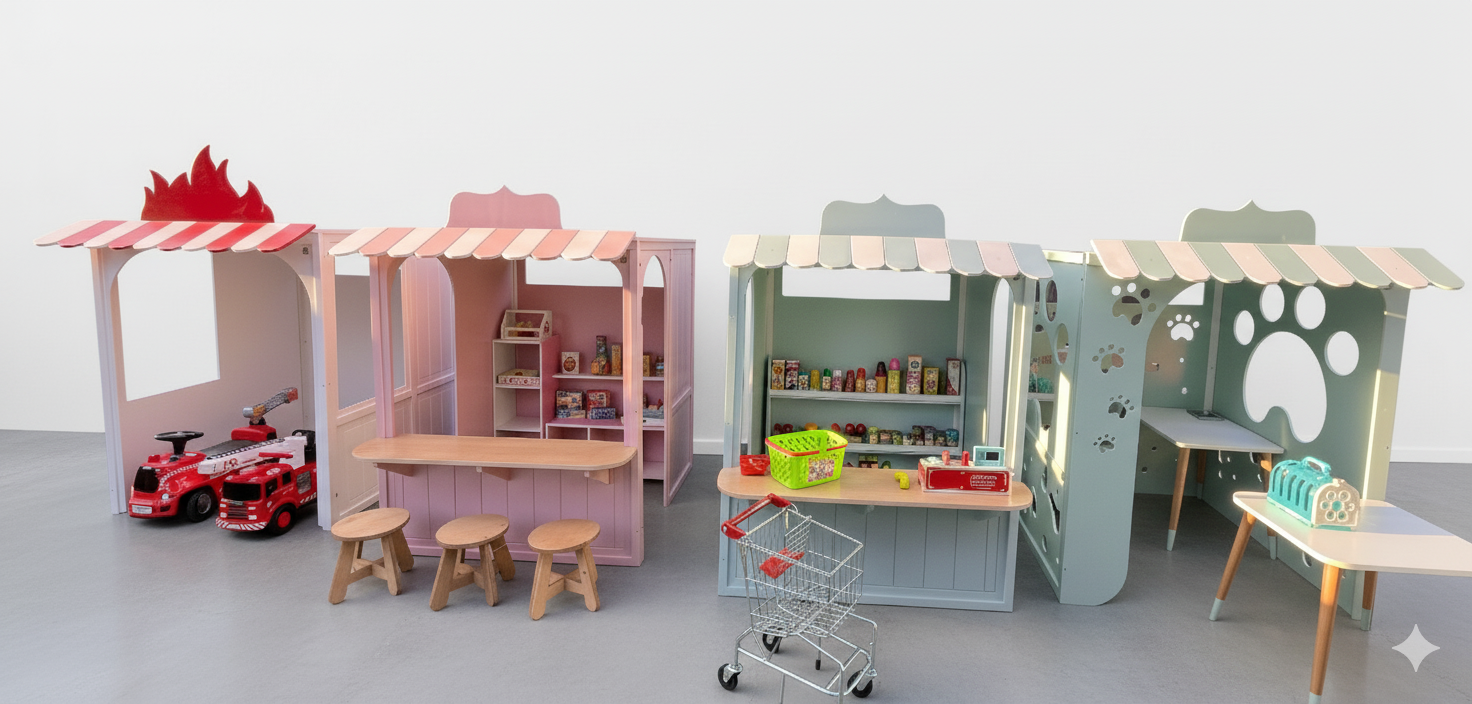
A mini-town that is portable so children can immerse in pretend play anywhere, at any event. Fire station, ice cream shop, grocery store, vet clinic
Creating spaces where children can explore freely allows them to fully engage their curiosity and creativity.
At Portable Playtown Parties, we design miniature towns that encourage children to explore real-life roles through play — from grocery stores and vet clinics to fire stations and ice cream shops.
Each setup is thoughtfully designed to support play-based learning, social development, and meaningful experiences for children.
Because sometimes the simplest forms of play create the most lasting memories.
Ready to spark creativity at your next event? Book your Portable Playtown Party today!
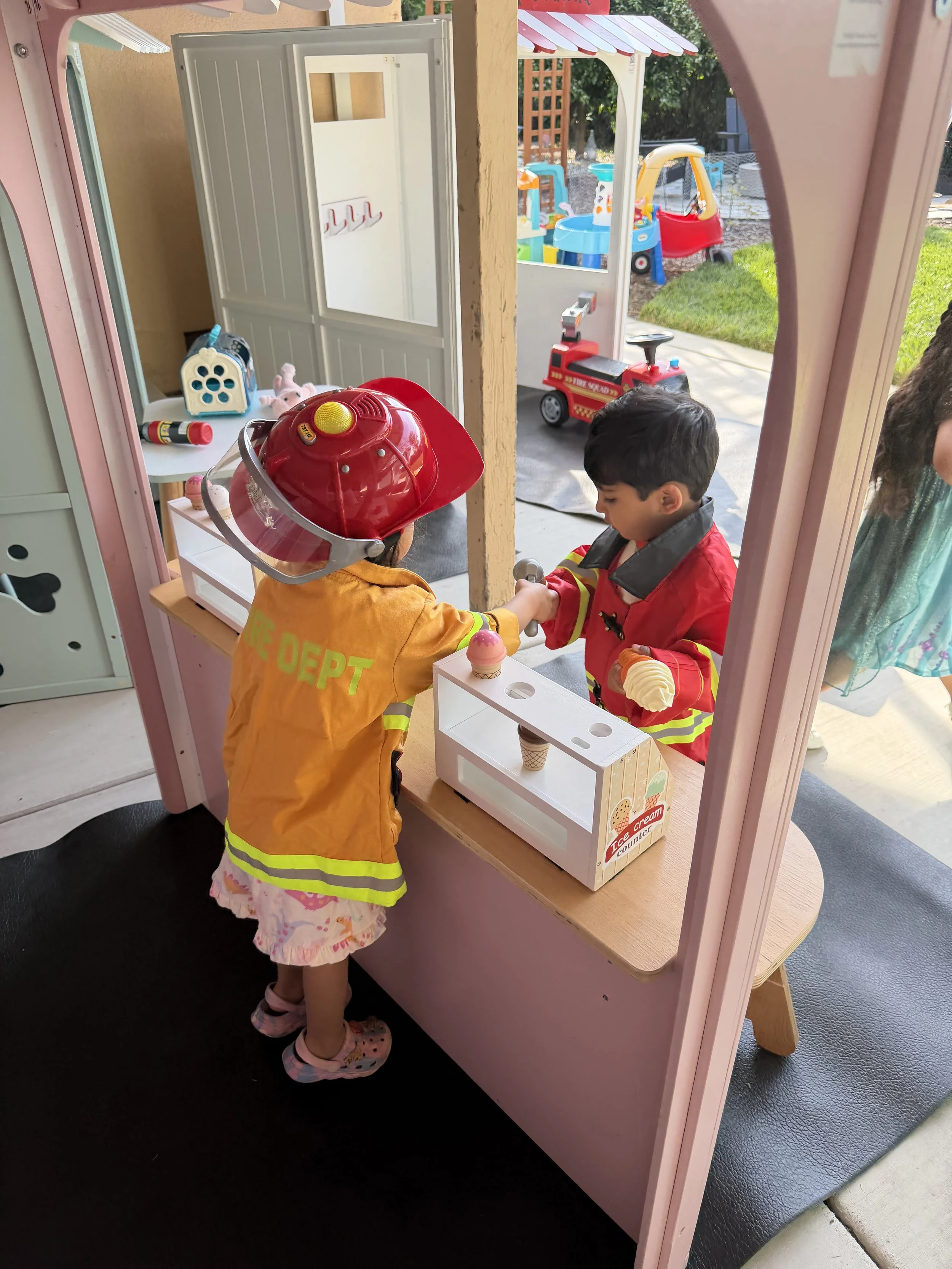
Kids in firefighter costumes playing in a pretend ice cream shop
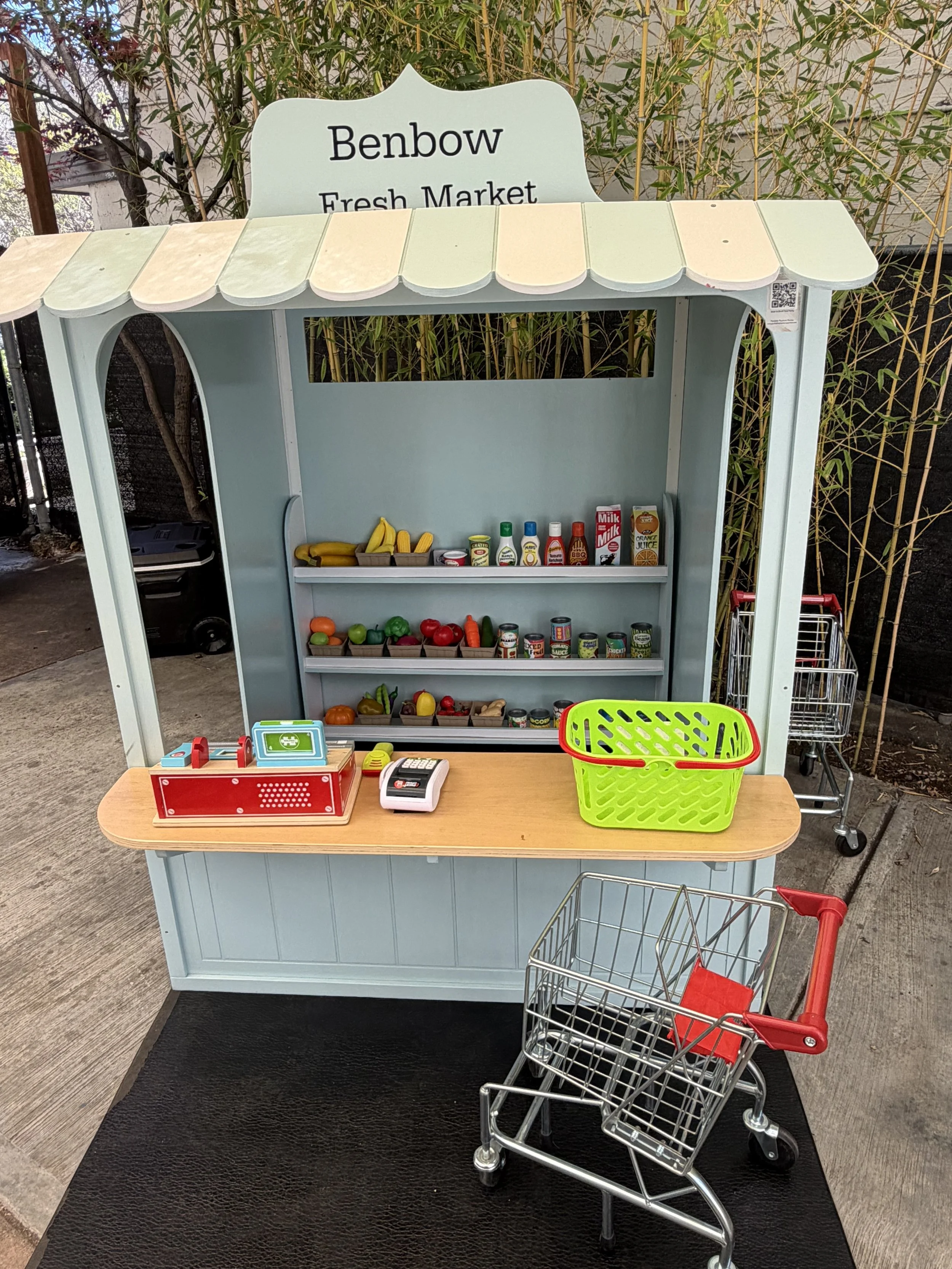
Pretend-play-grocery-store
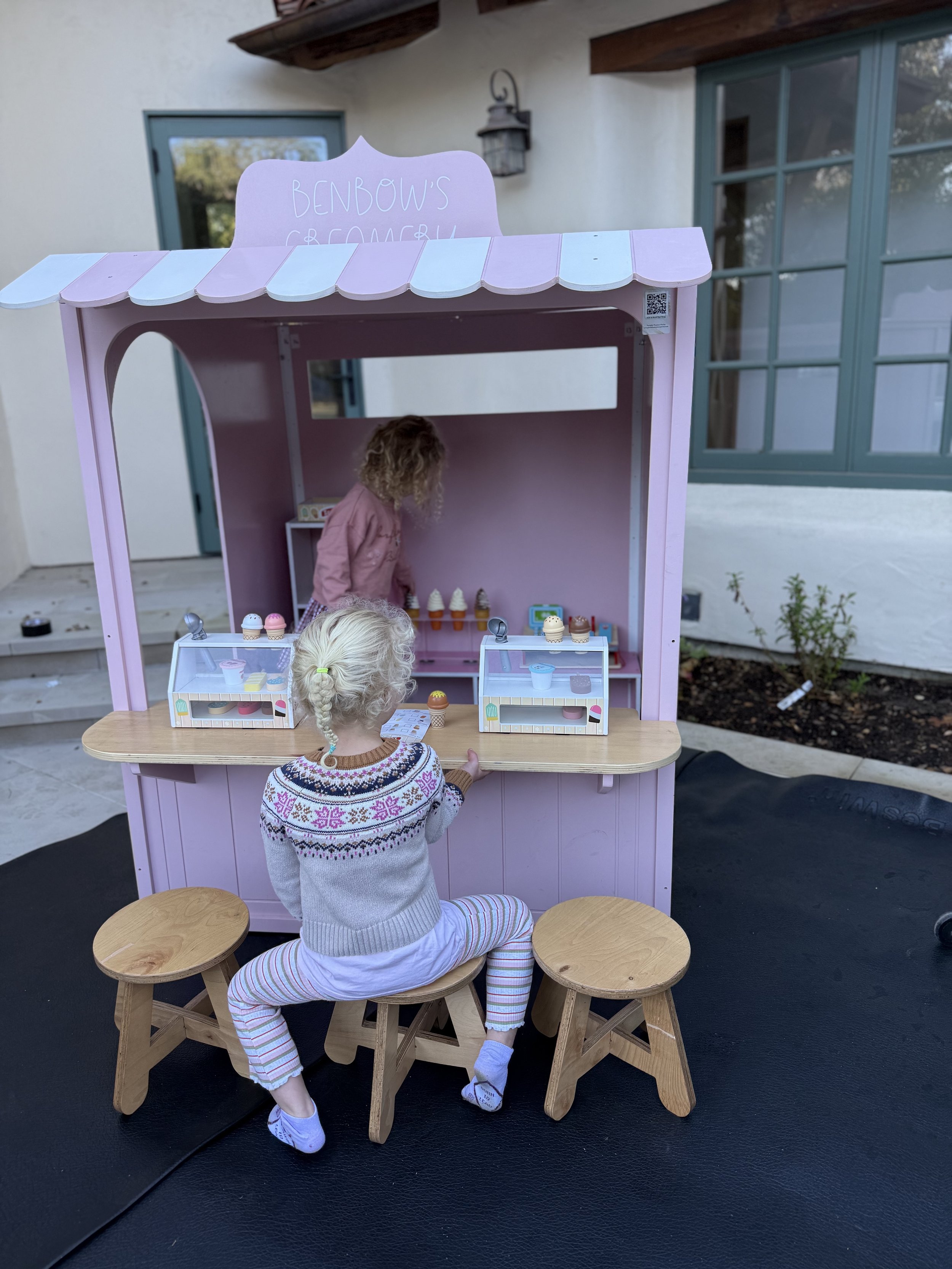
Two children pretending to be ice cream shop owner & customer.
